
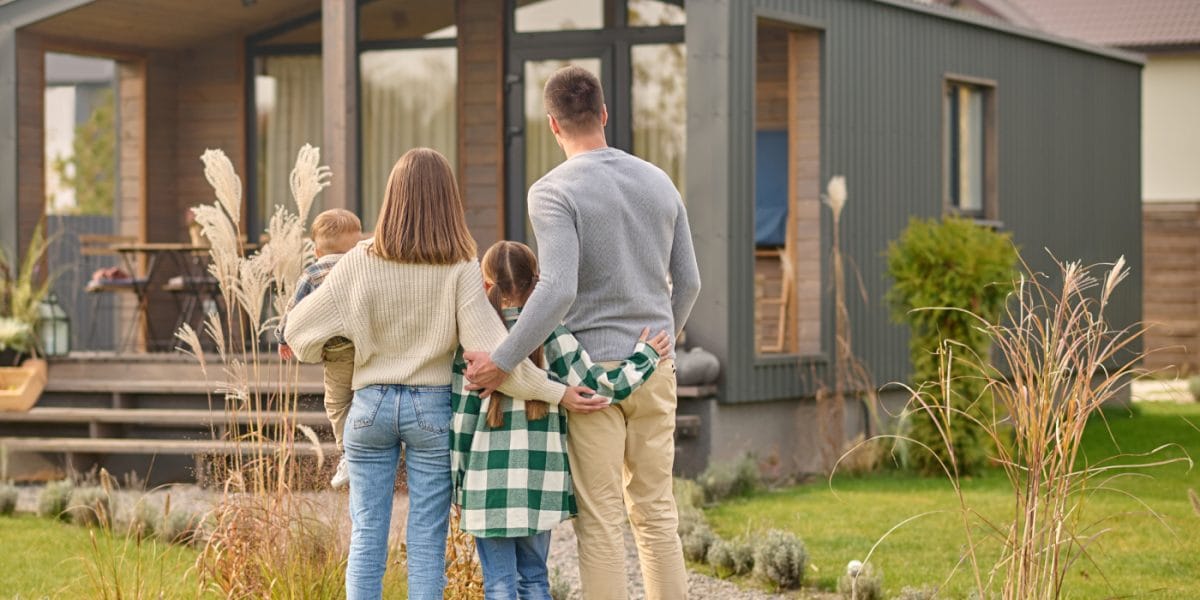
The question of vacation home vs primary residence 2025 is a common dilemma for homeowners considering a move this summer. Deciding whether to invest in a vacation property or buy a new primary home involves weighing financial factors, lifestyle goals, and personal priorities. It’s not always an easy choice, and the right answer can vary depending on your unique situation.
Vacation Home vs Primary Residence 2025: Why This Question Matters More This Summer
In recent years, the real estate landscape has undergone significant changes. With the rise of remote work, shifts in regional housing markets, and evolving lifestyle preferences, homeowners now have more choices than ever. This increased flexibility has brought the question of vacation home vs primary residence 2025 to the forefront, making it essential to carefully evaluate your options before making a decision.
If you’re in a comfortable financial position, now might be the ideal time to act. However, with two options to consider — upgrading your main residence or investing in a vacation home — you’ll need to decide which one best aligns with your goals.
Option 1: A New Primary Residence
Is your family growing? Do you want to downsize? Are you working from home more often? Or has your lifestyle simply changed? Buying a primary residence may be the right choice for you.
Daily Life Improvements
Regardless of the reason, purchasing a new primary residence should mean enhancing your everyday quality of life. That could mean more or less square footage, a better kitchen, or a location closer to work, school, or family.
Long-Term Security
Is this the home that you plan to stay in for the long haul? If you plan to stay put, it’s an investment in stability.
Home Equity Leverage
When weighing the decision of vacation home vs primary residence 2025, consider the equity in your current home—if it has appreciated significantly, you may have enough to make a substantial down payment on a new property, helping to reduce the financial impact of a new mortgage.
Challenges to Consider
- Cost of Moving: Selling your current home and buying a new one entails various expenses, including agent fees, land transfer taxes, moving costs, and additional fees.
- Limited Inventory: Many desirable neighbourhoods still face low supply, making it tough to find the perfect home at the right price.
- Emotional Investment: Uprooting from a home you love can be difficult, especially if you’ve built strong community ties.
Option 2: Buying a Vacation Home
Your current home still suits you, but you occasionally crave a change of scenery. A vacation home can offer just that: a retreat that reflects your lifestyle and enhances your quality of life. Buying a vacation property may be the right choice for you.
Lifestyle Enhancement
A cottage by the lake, a ski chalet in the mountains, or a quiet cabin in wine country aren’t just getaways. They’re spaces to unwind, recharge, and reconnect with nature, friends, and family.
Rental Income Potential
If you’re not using the property full-time, you can list it on platforms like Airbnb or Vrbo to help offset carrying costs or even generate a profit.
Investment Diversification
Real estate in desirable vacation areas tends to appreciate over time. If you buy in a location with limited supply and growing demand, you may benefit from long-term equity growth.
Future Retirement Plan
Many buyers see a vacation home as a first step toward retirement. Buy now, enjoy it part-time, and eventually make it your full-time home down the road.
Challenges to Consider
- Upfront Costs: Lenders typically require a larger down payment (20–30%) and offer higher interest rates on vacation properties.
- Seasonal Usage: If you work full-time, it may limit your ability to use the home regularly, especially if its location is far from your primary residence.
- Maintenance and Management: Every home requires upkeep. If your vacation property is remote, you’ll either need to travel for maintenance or hire a property manager.
- Tax Implications: If you rent out the home or later sell it at a profit, you may owe capital gains tax.
Key Questions to Ask Yourself
Still undecided? These questions can help steer you in the right direction:
What Is Your Primary Goal?
- If it’s about improving your daily comfort and convenience, a new primary residence makes more sense.
- If it’s about enhancing your leisure time and diversifying your lifestyle, a vacation home might be the better fit.
How Often Would You Use a Vacation Home?
How regularly do you plan to use the property? If it sits empty most of the year, you may be better off renting an Airbnb when you need a break.
Can You Afford Two Homes?
Be honest about your financial situation. Can you comfortably manage two mortgages, property taxes, and maintenance costs? If not, it may be better to focus on one high-quality home rather than spreading yourself thin.
Are You Emotionally Attached to Your Current Home?
If you love your current neighbourhood, have built strong community ties, or are near good schools or aging family members, staying put and buying a vacation home might provide the best of both worlds.
What’s the Market Telling You?
Real estate is hyper-local. In some markets, upgrading may be cost-prohibitive due to low supply and high demand. In others, vacation properties may offer better value and potential for appreciation.
Vacation Home vs Primary Residence 2025: Market Outlook Summer 2025
Primary Residences
- Urban and suburban markets have cooled slightly, creating opportunities for move-up buyers to find value, especially those with strong equity.
- Interest rates are holding steady or softening slightly, creating more predictability for buyers looking to lock in new mortgages.
Vacation Homes
- Demand for vacation properties remains strong in scenic and driveable locations. However, some regions have experienced price stabilization following pandemic-era peaks.
- Rental potential is variable. High-tourism areas continue to offer good income opportunities, while remote regions may experience seasonal demand.
Hybrid Solutions: Can You Have Both?
Some buyers are looking for creative ways to blend both desires:
- Convert your current home into a rental property and relocate to a smaller or more suitable primary residence, thereby freeing up funds for a vacation home.
- Work remotely part-time from the vacation home, making it more than just a weekend retreat.
- Buy a property with rental potential, such as a duplex in a vacation destination, to cover expenses and create a long-term investment.
Ultimately, the choice between a vacation home and a new primary residence comes down to this: What do you value most right now: daily quality of life or weekend escape? And can your budget realistically support either or both?
If you prioritize:
- Comfort and convenience → consider upgrading your primary residence.
- Adventure and relaxation → consider investing in a vacation property.
- Both → explore hybrid ownership models or long-term planning strategies.
There’s no wrong answer—only the right one for your current stage of life.
Are you ready to move forward or interested in more information?
The best time to buy real estate is when your finances, lifestyle, and long-term vision align. Work with a knowledgeable real estate advisor, do the math carefully and consider where you want to be beyond the summer. The best purchase isn’t about square footage or resale value, it’s about how it fits into your life.
Contact a Royal City REALTOR® today!
Looking for an experienced REALTOR® that specializes in the local real estate market? At Royal LePage® Royal City Realty we are focused on helping you unlock your future.